Essential Maintenance Tips for Your Performance Car

Owning a performance car is not just about the thrill of speed and the roar of the engine; it’s also about responsibility. Proper maintenance is crucial to ensure your vehicle runs smoothly and performs at its best. Neglecting maintenance can lead to costly repairs and diminished performance. In this post, we will explore essential maintenance tips that every performance car owner should follow to keep their vehicle in top shape.
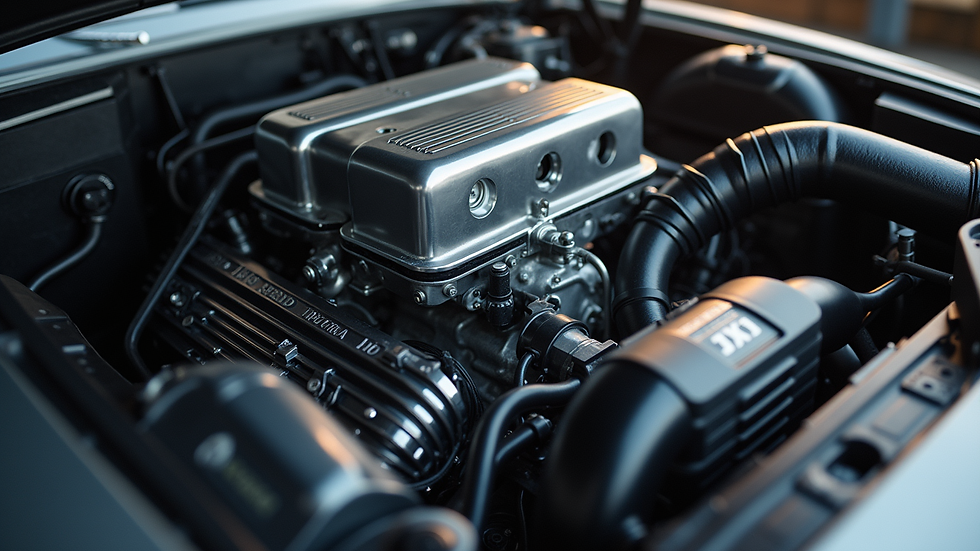
Understanding Your Performance Car
Before diving into maintenance tips, it’s important to understand what makes a performance car different from regular vehicles. Performance cars are designed for speed, handling, and overall driving experience. They often come equipped with high-performance engines, advanced suspension systems, and specialized tires. This means they require more attention and care than standard cars.
Key Components of a Performance Car
Engine: The heart of your car, where power is generated.
Transmission: Transfers power from the engine to the wheels.
Suspension: Affects handling and ride quality.
Brakes: Essential for safety and performance.
Tires: The only contact point with the road, crucial for grip and handling.
Regular Inspections
Regular inspections are vital for identifying potential issues before they become major problems. Here’s what to focus on during your inspections:
Engine Check
Oil Level: Regularly check the oil level and quality. Change the oil according to the manufacturer’s recommendations, typically every 5,000 to 7,500 miles.
Coolant Level: Ensure the coolant is at the proper level to prevent overheating.
Belts and Hoses: Inspect for wear and tear. Replace any frayed belts or cracked hoses.
Transmission Maintenance
Fluid Levels: Check the transmission fluid level and condition. Change it as recommended to ensure smooth shifting.
Clutch Inspection: If your performance car has a manual transmission, inspect the clutch for wear.
Suspension and Brakes
Shock Absorbers: Check for leaks or damage. Worn shocks can affect handling.
Brake Pads and Rotors: Inspect for wear. Performance cars often require high-performance brake pads for optimal stopping power.
Tire Care
Tires are critical for performance and safety. Here are some tips to keep them in top condition:
Tire Pressure
Regular Checks: Check tire pressure at least once a month. Under-inflated tires can lead to poor handling and increased wear.
Temperature Considerations: Remember that tire pressure can change with temperature. Adjust accordingly.
Tread Depth
Tread Wear Indicators: Use a tread depth gauge to check for wear. Replace tires when tread depth is below 2/32 of an inch.
Rotation: Rotate tires every 5,000 to 7,500 miles to ensure even wear.
Fluid Maintenance
Fluids play a crucial role in the performance of your car. Here’s a breakdown of essential fluids to monitor:
Engine Oil
Type of Oil: Use high-quality synthetic oil for better performance and protection.
Change Intervals: Stick to the recommended change intervals to keep the engine running smoothly.
Brake Fluid
Level Check: Regularly check the brake fluid level. Low levels can lead to brake failure.
Flush and Replace: Brake fluid should be flushed and replaced every two years to prevent moisture buildup.
Coolant
Mix Ratio: Ensure the coolant is mixed correctly with water (typically a 50/50 ratio).
Flush: Flush the cooling system every two years to prevent corrosion and buildup.
Performance Upgrades
While maintenance is essential, performance upgrades can enhance your car’s capabilities. Here are some popular upgrades:
Exhaust System
High-Performance Exhaust: Upgrading to a high-performance exhaust system can improve airflow and increase horsepower.
Sound: A new exhaust can also enhance the sound of your car, giving it a more aggressive tone.
Suspension Upgrades
Coilovers: Consider upgrading to coilovers for better handling and adjustability.
Sway Bars: Installing sway bars can reduce body roll during cornering.
Engine Tuning
ECU Remapping: Remapping the engine control unit (ECU) can optimize performance and fuel efficiency.
Cold Air Intake: Installing a cold air intake can improve airflow to the engine, increasing horsepower.
Seasonal Maintenance
Different seasons can affect your performance car’s maintenance needs. Here’s what to consider:
Winter Maintenance
Tire Change: Switch to winter tires for better traction in snow and ice.
Battery Check: Cold weather can affect battery performance. Check the battery and replace it if necessary.
Summer Maintenance
Cooling System: Ensure the cooling system is functioning properly to prevent overheating during hot months.
Air Conditioning: Check the air conditioning system to ensure it’s working efficiently.
Keeping Records
Maintaining a detailed record of all maintenance and repairs is essential. This not only helps you keep track of what has been done but also increases the resale value of your car. Here’s how to keep effective records:
Maintenance Log: Create a log that includes dates, services performed, and any parts replaced.
Receipts: Keep all receipts for parts and services. This documentation can be valuable when selling your car.
Conclusion
Maintaining a performance car requires dedication and attention to detail. By following these essential maintenance tips, you can ensure your vehicle remains in peak condition, providing you with the exhilarating driving experience you desire. Remember, regular inspections, fluid checks, and timely upgrades are key to keeping your performance car running smoothly. Take pride in your vehicle and invest the time and effort needed to keep it performing at its best. Your car will thank you with every thrilling drive.
Comments